
Discipline Beats Motivation.
Here's Why That's Good News.
Motivation is unreliable. It shows up when you sign the gym membership in January and it's gone by the third week. It shows up after a good night's sleep and disappears after a bad one. If you've built your health around waiting to feel like it, you've already found out how that goes.
This isn't a failure of character. It's how motivation works. It's a feeling, and feelings are shaped by mood, sleep, stress and a dozen other things you don't control day to day. Building a transformation on top of something that unstable was never going to hold.
Discipline is different. Discipline isn't a personality trait some people have and others don't. It's a structure. It's what's left standing when motivation walks out the door, because the plan doesn't depend on how you feel that morning. You do the session, you eat the meal, you show up, whether or not you're in the mood. Over twelve weeks, that's the difference between a programme that works and one that quietly falls apart around week three.
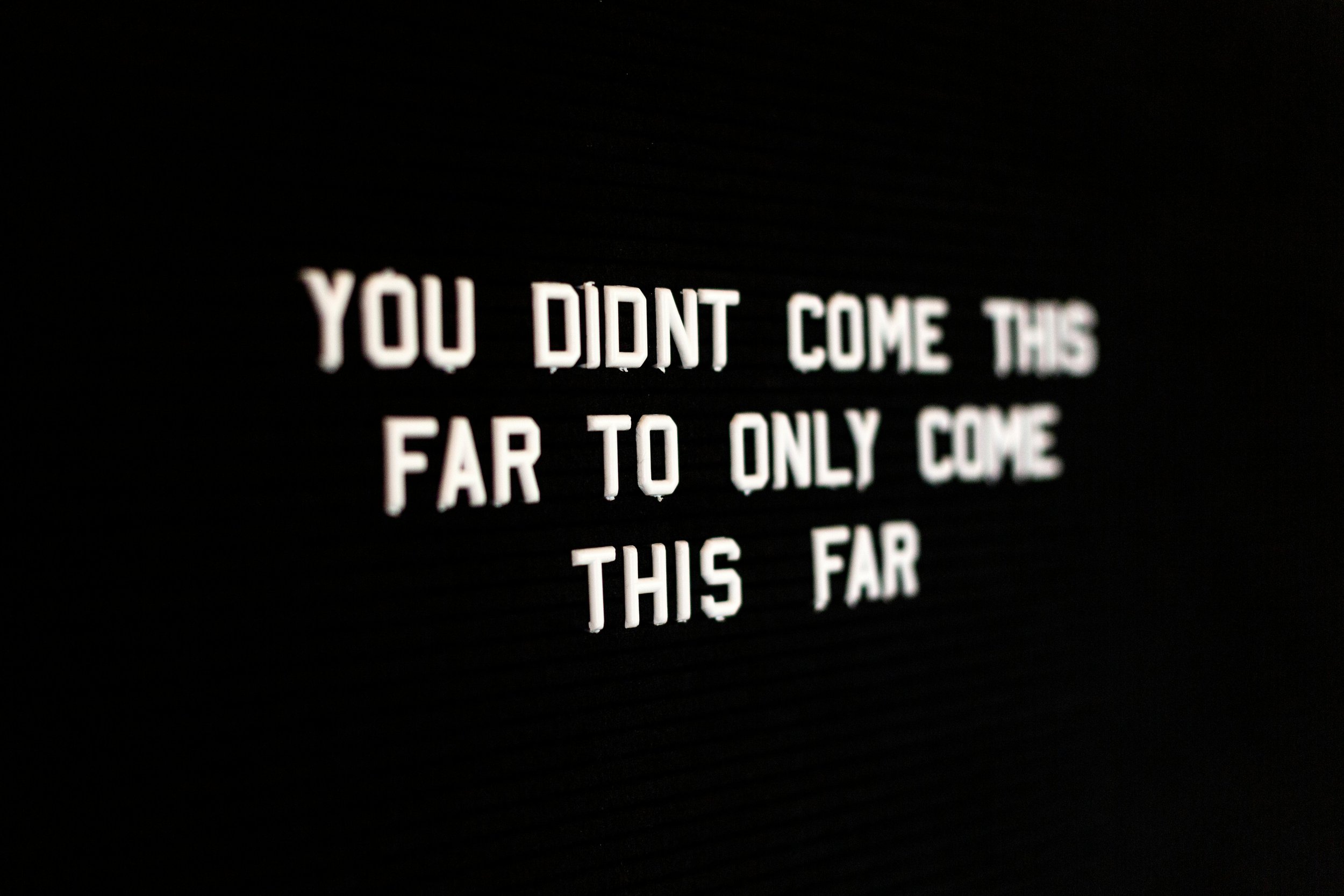
The high-achiever's blind spot
Most of the people who come to Vyrsion have built serious careers. They run teams, close deals, make decisions under pressure every day. None of that runs on motivation either. A trading floor doesn't wait for someone to feel inspired. A courtroom doesn't pause for a bad mood. What holds those worlds together is structure: clear standards, the right people around you, and a plan that doesn't bend to how you're feeling that Tuesday.
Somewhere along the way, health gets treated differently. People who wouldn't dream of running a business on willpower alone will try to run their own body that way, then wonder why it never sticks. The truth is simpler than it feels: the same principles that built their career build a transformation. Structure. Expertise. People holding the standard when you can't hold it yourself.
What discipline actually looks like
Discipline isn't gritting your teeth through a workout you hate. It's removing the moment of decision altogether. It's a session in the diary that doesn't get debated. It's a nutrition plan that fits the week you actually have, not the week you wish you had. It's a psychologist working on the habits and thinking underneath the behaviour, because a plan on paper means nothing if the mindset underneath it keeps sabotaging it.
This is where training alone runs out of road. A trainer can build a programme. They can't sit with you at 9pm when the takeaway menu is calling, and they can't unpick the thinking that's derailed every attempt before this one. That's a different discipline, and it needs a different specialist.

Why a team changes the equation
This is the actual argument for an integrated approach. Not because more people sound more impressive, but because discipline needs reinforcement from more than one direction at once. Training builds the engine. Nutrition is the foundation. Psychology works on the software underneath both. Coaching holds all of it accountable, week after week, so nothing quietly slips.
Your team is built around you. Not a system you're run through, but people who know your calendar, your history, and where you tend to fall off. When motivation inevitably dips, and it will, there's a structure in place that doesn't dip with it.
The real question
The question worth asking isn't "how do I get more motivated." It's "what needs to be true so I don't have to rely on motivation at all." That's a structural question, not an emotional one, and it's the one twelve weeks with the right team is built to answer.
If you want to find out what that structure could look like for you, get in touch and we'll talk it through.