
The Mistakes That Undo GLP-1 Progress
GLP-1 medications work. That's not in question. What's less talked about is how much of the outcome depends on the choices made alongside the medication, not the medication itself. Most of the disappointing results we hear about trace back to one of a small handful of avoidable mistakes.
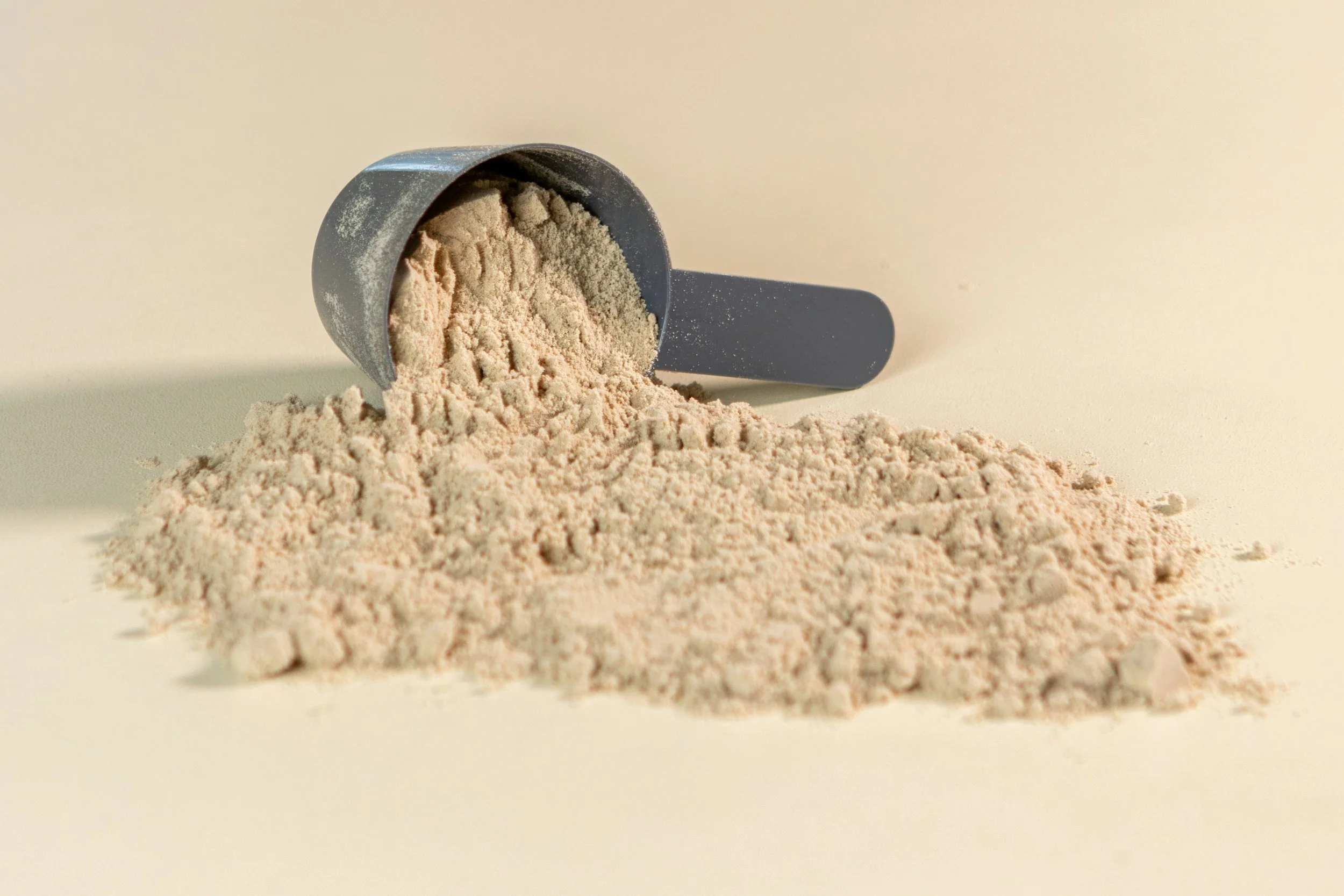
1. Not eating enough protein
Appetite drops fast on a GLP-1, and when total food intake falls, protein is usually the first thing to slip, because it's often the least appealing thing to eat when you're not hungry. The problem is that protein is exactly what the body needs most during this period, to signal to the body that muscle should be protected rather than broken down alongside the fat. Research reviewing professional guidance on GLP-1 use points to a target well above standard recommendations during active weight loss on these medications. Getting that right, consistently, across a week that's already harder to eat in, is where a nutritionist earns their place.
2. Skipping resistance training
Cardio feels like the obvious response to weight loss. Resistance training is the one that actually protects what matters. Muscle responds to the signal that it's needed, and that signal comes from training, not from walking alone. Without it, a meaningful share of what's lost on a GLP-1 can be lean mass rather than fat, and lean mass is what keeps metabolism, strength and long-term results intact.
3. Increasing the dose too quickly
Faster isn't the same as better. Ramping up a GLP-1 dose too quickly tends to bring on side effects that make eating properly even harder, at exactly the point when protein and structure matter most. Dose changes are a conversation with a prescriber, not something to accelerate out of impatience with the scale.
4. Treating the drug as the whole plan
The medication handles appetite. It doesn't handle habit change, it doesn't handle the psychology behind old patterns, and it doesn't build the structure that holds once appetite signals return to normal. Relying on the drug alone to do all of that work is asking one tool to do a job that needs several.
5. Stopping suddenly, with no plan for what's next
Trial data shows what happens when a GLP-1 stops abruptly with nothing built underneath it: a large share of the lost weight can return within the first year. The moment of coming off the medication isn't the finish line. It's the point where the habits, training and structure built during treatment either hold, or don't. That's not something to figure out after the fact.

The pattern underneath all five
Every one of these mistakes comes from treating the GLP-1 as a solution on its own, rather than as one part of a bigger structure. Protein needs a nutritionist paying attention to it. Muscle needs a trainer building the right sessions around it. The habits and thinking need a psychologist working on them properly. And all of it needs someone holding the plan together, week by week, so nothing quietly slips.
None of this is about doing more. It's about making sure the parts around the medication are pulling in the same direction it is.
If you're navigating a GLP-1 and want a team that covers all of this properly, get in touch and we'll talk it through.